Brent Cross rubbish removal for shops and stalls
Posted on 27/08/2026
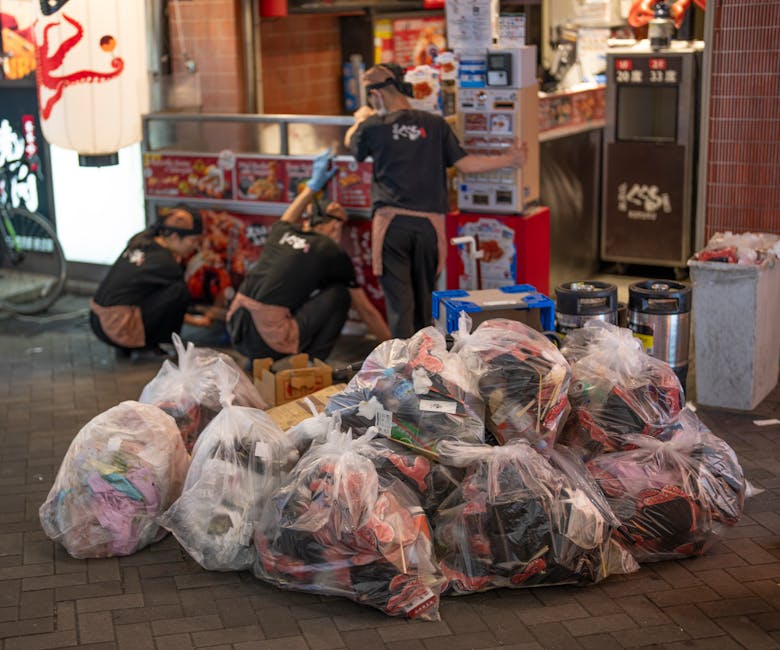
If you run a shop, kiosk, market pitch, pop-up unit, or stall near Brent Cross, rubbish builds up faster than people expect. Packaging piles up. Broken display items get in the way. Cardboard starts to lean against the stockroom wall. And suddenly the back area feels like it has shrunk overnight. Brent Cross rubbish removal for shops and stalls is about more than a quick tidy-up; it helps keep trading spaces safe, presentable, and workable on busy days.
This guide explains how commercial rubbish removal works in practical terms, what to watch out for, and how to choose the right clearance approach without wasting time or money. It also covers compliance, scheduling, and the little operational details that matter when you are trying to keep customers moving and staff focused. To be fair, nobody wants to be thinking about waste at 9:30 on a Saturday morning. But the right setup makes life noticeably easier.
Why Brent Cross rubbish removal for shops and stalls matters
In a retail setting, waste is not just waste. It is space, safety, customer perception, and speed all rolled into one. A shop with overfilled bins or a stall with stray packaging can look messy in an instant, even if the team is working hard behind the scenes. And once clutter starts spreading, it tends to spread quickly. One box becomes five. Five become a stack. Then someone is squeezing past them with a delivery trolley. Not ideal.
Brent Cross has a mix of retail activity that can create very different waste patterns. Some businesses generate mostly cardboard and film wrap from stock deliveries. Others deal with mixed rubbish from seasonal displays, damaged fixtures, old shelving, or end-of-line goods. Stallholders often face a different challenge again: limited back-of-house space, short trading windows, and frequent changeovers. A proper rubbish removal plan helps all of that feel manageable.
There is also a customer-facing side to this. Shoppers notice the edges of a business. They notice whether the back entrance is neat, whether the pavement area is clear, and whether the site feels under control. Even if they never say it out loud, tidy waste handling sends a strong signal. It says the business is organised. It says someone is paying attention.
Expert summary: for shops and stalls, rubbish removal works best when it is treated as part of daily operations rather than a once-in-a-while emergency. The cleaner and simpler the system, the less it interrupts trading.
If your business also needs wider commercial clearance support, it can help to look at commercial waste removal in Brent alongside the more specific needs of your unit or stall. For larger stockroom clear-outs, some businesses also pair waste removal with general waste clearance in Brent to keep the process moving in one visit.
How Brent Cross rubbish removal for shops and stalls works
The process is usually straightforward, but the details matter. A good clearance service normally starts with understanding what needs removing, how much there is, and whether the waste includes anything bulky, awkward, or separated for recycling. A simple list often does the job: cardboard, mixed rubbish, broken shelving, display stands, old stock packaging, white goods, furniture, and any damaged shop fittings.
From there, the collection team plans access. That might mean arranging a time outside your trading peak, checking whether the waste is stored indoors or outside, and deciding whether the team needs to carry items through a shop floor or from a rear service area. If you have a stall in a shared retail space, timing can matter even more. One busy passageway, one delivery window, one lift booking. These little things can make or break a smooth pickup.
In practice, a typical small-to-medium collection might involve:
- Walking through the items that need to go.
- Separating reusable or recyclable materials where possible.
- Identifying any heavy or fragile objects.
- Agreeing the collection timing to avoid disruption.
- Loading, removal, and responsible disposal or transfer.
For businesses that regularly receive stock or renovate displays, it can also be useful to know how broader support services fit together. For example, rubbish collection in Brent is handy for recurring small loads, while waste disposal in Brent suits materials that need a more structured handover. Different jobs, different rhythm.
Truth be told, most delays come from unclear access or unclear expectations, not the waste itself.
Key benefits and practical advantages
There are several clear benefits to arranging proper rubbish removal rather than letting rubbish build up until it becomes a problem. The first is time. If your staff are constantly shifting boxes around just to mop a floor or reach the till area, that is time lost from serving customers or dealing with stock. The second is safety. Clutter increases the chance of trips, blocked exits, and messy storage habits. That is not something you want in a retail environment, especially when the day gets busy.
The third benefit is presentation. A clean shopfront, stall, or back-of-house area tells customers you are switched on. It can even make small units feel larger, brighter, and more usable. The difference is surprisingly noticeable. You know that moment when a space suddenly looks calmer once the junk is gone? That. Exactly that.
There is also a sustainability angle. If cardboard, metals, appliances, fixtures, or furniture can be separated and handled properly, more of it can be diverted away from general waste. For businesses that care about responsible operations, the recycling side is worth paying attention to. You can read more about the wider approach on recycling and sustainability.
Practical advantages often include:
- Clearer floors and safer walkways
- Better use of limited storage space
- Less disruption during opening hours
- Cleaner back areas for deliveries and stock handling
- Faster turnaround after refurbishments or seasonal changes
For some shops, especially those with display furniture or old counters, services like furniture removal in Brent or furniture disposal in Brent are the simplest route. If you are replacing heavy counters, seating, or fitting-room units, that distinction matters more than people think.
Who this is for and when it makes sense
This kind of rubbish removal suits a wider range of businesses than many people assume. It is not just for full shop refits or big clear-outs. In fact, smaller, regular jobs are often where the biggest value appears because they stop waste from becoming a recurring nuisance.
It makes sense for:
- Convenience stores and corner shops
- Clothing shops and accessory retailers
- Market stalls and pop-up traders
- Food vendors with packaging or delivery waste
- Seasonal kiosks and promotional stands
- Units being emptied before a handover
- Retailers replacing fixtures, shelving, or appliances
Some traders only need help after a seasonal surge, like Christmas stock rotation or summer event trading. Others need support after a delivery mistake, a stockroom build-up, or a sudden unit closure. A stallholder might need waste taken away at the end of each market period, because there is no spare room to store anything. Fair enough.
If your business handles equipment as well as packaging, white goods and appliance disposal in Brent may be relevant too. And if the unit is effectively an office plus shop, office clearance in Brent can sometimes fit the brief better than a standard rubbish pickup.
For businesses near busy transport and footfall zones, timing is often the deciding factor. A collection scheduled before opening, during a quiet afternoon, or just after closing can save a lot of friction. Why let a waste pile disturb trading if it does not need to?
Step-by-step guidance
If you want a simple way to organise Brent Cross rubbish removal for shops and stalls, use this practical sequence. It avoids confusion and keeps everyone on the same page.
- Identify the waste type. Separate cardboard, general rubbish, bulky items, and anything that may need special handling.
- Estimate the volume. A few bags is one thing. A stockroom's worth of shelving, packaging, and fixtures is another.
- Check access. Think about loading points, lift use, rear entrances, parking limits, and whether the collection needs to avoid customers.
- Choose the right timing. Early morning, late evening, or a low-footfall window usually works best for active retail sites.
- Prepare the items. Keep waste grouped together and make sure paths are clear. No one wants to carry a wardrobe through a cramped aisle full of boxes.
- Confirm what should stay. This sounds obvious, but it saves mistakes. Staff sometimes leave useful stock mixed in with junk by accident.
- Arrange removal and disposal. The team should load, transport, and handle the waste responsibly, with the right paperwork where required.
If the job is part of a bigger property change, you may also want to coordinate with builders waste disposal in Brent. Shop refurbishments often create a mixed bag of dust sheets, broken fixtures, plaster debris, packaging, and old fittings. It all gets messy fast. A coordinated pickup is usually smoother than separate visits, assuming the access works.
A helpful habit is to photograph the waste area before collection. Not for drama. Just for clarity. It helps everyone understand what is being removed and what stays behind.
Expert tips for better results
One of the biggest improvements you can make is to set up a simple internal waste routine. Even a tiny business benefits from one. Label bins clearly. Keep a cardboard flattening spot. Use separate containers for general waste and recyclables if you have room. It sounds basic, but basic systems are usually the ones that actually work.
Another tip: don't wait until the back room is overflowing before booking removal. That is how a small job becomes a stressful one. Smaller, regular clearances are usually easier to organise and cheaper to manage operationally because they reduce disruption. And yes, cheaper in the broad sense, not always just the invoice line.
Also, think about seasonal patterns. Retail waste changes through the year. Winter stock arrives in large packaging. Sales periods create more packaging, more broken display items, and more end-of-line clutter. Outdoor stalls can face wet cardboard, torn bags, and awkward mixed rubbish after windy days. Anyone who has tried to move damp cardboard in London drizzle knows the feeling. Not lovely.
Other useful habits include:
- Keep clear access to fire exits and delivery doors
- Use sturdy sacks or crates so rubbish does not spill
- Break down large packaging before it piles up
- Move recyclable materials out separately where practical
- Book removals before a deadline, not after it
If you want a service that is more focused on broader disposal needs rather than a single shop clear-up, waste disposal in Brent can be a useful reference point. And if your site has larger general items that need moving, rubbish collection in Brent gives a better sense of the ongoing operational model.
One slightly old-fashioned but effective tip: keep a small notebook or shared note for waste issues. It stops the same bulky item being rediscovered three times by different staff. Happens more than you'd think.

Common mistakes to avoid
The first mistake is underestimating volume. Retail waste looks smaller when it is stacked neatly, and then it suddenly isn't. A few folded boxes can become a van-full once they are flattened, sorted, and moved. Planning by eye alone can be misleading.
The second is mixing waste types without checking what needs separate handling. Some items are straightforward, while others may need more careful disposal. If in doubt, ask before the pickup day rather than hoping it sorts itself out later. That approach rarely ends well.
The third mistake is blocking access. Staff sometimes keep waste near the easiest doorway, which is understandable, but the easiest doorway may also be the one that causes the most disruption. Better to stage items in a controlled spot with safe walking space around them.
Other common slip-ups include:
- Booking too late and missing a trading window
- Leaving mixed stock and rubbish together
- Forgetting about heavy items that need extra lifting
- Not checking whether a back entrance is actually usable on the day
- Assuming all waste can be taken without prior discussion
There is also a human one: assuming the staff member who last moved the waste will remember exactly what was in each pile. They won't. None of us would, honestly.
If your shop is planning a broader tidy-up, you may want to compare it with services overview information so the team knows what kind of clearance fits the job best. The wrong service is usually the expensive mistake.
Tools, resources and recommendations
You do not need complicated tools for a successful clearance, but a few simple things make the process smoother. Strong refuse sacks, tape, a marker pen, gloves, and a clear staging area are usually enough for day-to-day preparation. For larger shops, a sack trolley or dolly can save a lot of back strain. It is a small thing, but your staff will thank you later.
For planning, use a basic waste log. Note what was removed, when it left, and whether anything should be reordered or replaced. That creates a surprisingly helpful trail for stock control, fit-out planning, and seasonal clean-downs. A few scribbled lines are better than a vague memory on a Friday afternoon.
Useful service pages to consider when planning your next clearance include pricing and quotes if you need to understand the cost structure, and waste carrier licence and compliance if you want reassurance that waste is being handled in a responsible way. For storage-heavy clearances, furniture removal in Brent is also worth keeping in mind.
And if your shop has a loft storage area, stock room, or upper-floor archive, related services such as loft clearance in Brent may be more relevant than they first appear. In retail, odd little storage spaces can hold an alarming amount of forgotten junk.
One more practical recommendation: plan for the weather. Rain, wind, and damp cardboard can complicate collection day, especially for stalls or open-front units. A few extra minutes to protect sorted waste can make a noticeable difference.
Law, compliance and best practice
For shops and stalls, compliance matters because waste is part of business operations. In the UK, commercial waste should be passed to a carrier that is properly authorised and able to handle the material responsibly. You should also keep records where appropriate, especially if you need to show that waste was managed correctly. That is standard good practice, not bureaucracy for the sake of it.
It is also sensible to separate what you can recycle from what must go as general waste. Cardboard, certain packaging, and some fixtures can often be dealt with more efficiently when kept apart. This reduces avoidable waste and makes collection easier. It also shows a more careful approach, which is useful if you are running a customer-facing business.
Health and safety should not be treated as a side note. Waste should never block exits, narrow walkways, loading access, or staff work zones. Heavy items need proper handling. Sharp edges need attention. Wet or damaged packaging can become slippery. None of that is dramatic, but all of it matters.
If you want a clearer view of the broader standards the company follows, the pages on insurance and safety, terms and conditions, privacy policy, and modern slavery statement can help build trust. They are not exciting reading, no. But they do say a lot about how a business operates.
Best practice in this area is simple: use a reliable carrier, keep access clear, separate waste sensibly, and document the job if needed. It is one of those boring routines that quietly saves trouble.
Options, methods, and comparison
There is no single right method for every shop or stall. The best option depends on how much waste you have, how often it appears, and how much disruption you can tolerate. Here is a practical comparison to help you decide.
| Method | Best for | Strengths | Limitations |
|---|---|---|---|
| One-off clearance | Refits, closures, seasonal clean-outs | Fast reset, clears bulky items quickly | Not ideal for recurring waste |
| Regular collection | Busy shops, markets, repeated packaging waste | Prevents build-up, easy to schedule | Needs consistent planning |
| Mixed waste disposal | General retail clutter, assorted rubbish | Simple and flexible | May not maximise recycling |
| Targeted bulky-item removal | Fixtures, shelving, counters, appliances | Good for heavy or awkward pieces | May need careful access planning |
If your operation is more like a small office-retail hybrid, office clearance in Brent may fit better than a general load removal. If the issue is mainly old units, seating, or display furniture, then the furniture-related services are usually more direct.
In simple terms: one-off clearance gives you a clean slate; regular collection keeps the slate from getting dirty in the first place. That's the trade-off.
Case study or real-world example
Here is a realistic example. A small stall operator at a Brent Cross retail event finishes a weekend run with a pile of cardboard, broken display hooks, torn packaging, and a few damaged small fixtures. The stall area itself is only a few metres wide, so waste storage has become awkward. By Monday morning the operator needs the site clear for a different vendor setup. Not a huge drama, but enough to cause stress if left too long.
Instead of trying to move everything in one rushed attempt during opening hours, the operator sorts the waste into simple groups on Sunday evening: recyclable cardboard, mixed rubbish, and bulky items that need proper loading. The service is booked for early morning before footfall picks up. Staff keep the access path clear, and the removal team can load quickly without interrupting trading.
The main win here is not just removal. It is control. The stall opens the next day without the usual scramble. The operator is not apologising to passers-by, and the site does not look half-finished. Small victory, but a real one.
For another example, a shop near a high-footfall retail zone may combine waste removal with a stockroom tidy-up after a delivery issue. In that situation, using waste clearance in Brent and rubbish collection in Brent together can make the process less fragmented. Fewer visits. Less admin. Better flow.
That kind of planning sounds dull on paper, but it is exactly what keeps a trading day calm.
Practical checklist
Use this checklist before booking Brent Cross rubbish removal for shops and stalls. It keeps the job tidy and avoids last-minute surprises.
- Identify all waste types, including bulky items
- Estimate how much needs removing
- Separate recyclables where practical
- Check loading access and any time restrictions
- Choose a collection time that avoids customer peaks
- Make sure paths and exits stay clear
- Confirm what is going and what is staying
- Check whether the job involves furniture, appliances, or fixtures
- Prepare the area before the team arrives
- Keep a note of what was removed for internal records
If your site has a mix of furniture, packaging, and general clutter, it can help to revisit furniture disposal in Brent and waste disposal in Brent so you can match the service to the real job, not the assumed one.
Quick takeaway: the smoother the preparation, the shorter the disruption. And with retail spaces, short disruption is usually the whole point.
Get a free quote today and see how much you can save.
Conclusion
Brent Cross rubbish removal for shops and stalls is really about keeping your trading space usable, safe, and presentable without letting waste turn into a daily headache. Whether you are dealing with cardboard, broken fittings, mixed rubbish, or a full seasonal clear-out, the best results usually come from simple planning and the right type of collection. Nothing flashy. Just a clean, workable system.
For many businesses, the real value is not only the removal itself, but the time and mental clutter it saves. That quiet sense of order matters. You feel it when a shop opens cleanly, when a stall is ready on time, when the back area does not smell faintly of old packaging and damp boxes. Small things, but they add up.
If you are weighing up the next step, start with the waste you actually have, not the waste you hope you have. Then match the collection method to the space, the schedule, and the access. Simple, practical, and much less stressful. That's usually the sweet spot.